Our work in
Forests
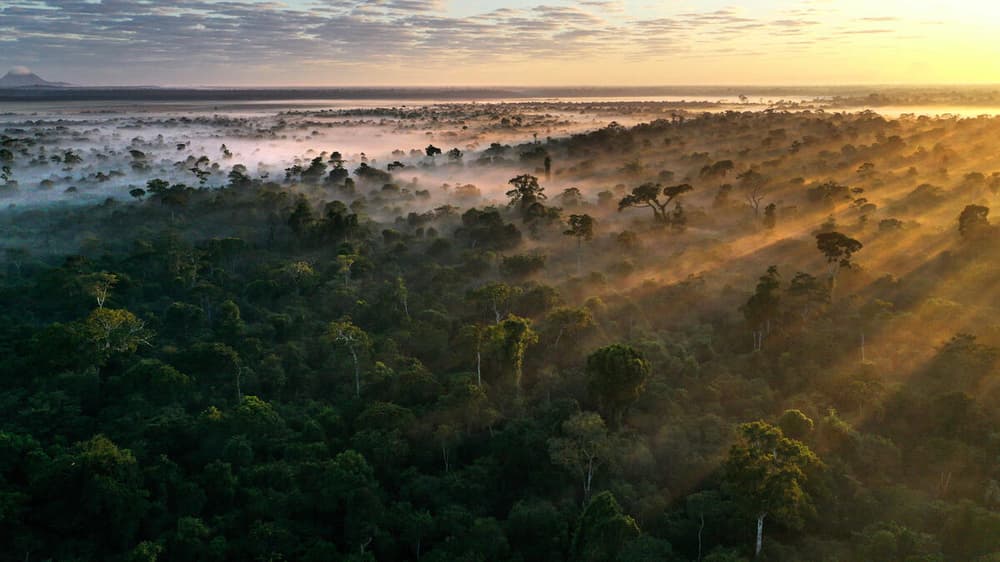
The WWF and IKEA partnership is working to advance responsible forest management* as well as support efforts to adress deforestation and degradation.
Since 2002, WWF and IKEA have been working side by side on forests, agriculture, water and climate. The partnership is working towards the protection of landscapes, enhancement of biodiversity and working together with local communities.
We have a shared interest in seeing regions around the planet develop and prosper. The combined commitment, expertise and networks of our two organisations enables us to work towards implementable solutions, inspire business practices, and test approaches that can reduce environmental impacts.
WWF and IKEA have worked together on joint projects in 23 countries, across Europe, Asia and South America to support the management and protection of natural resources.
The examples below represent selected outcomes from partnership projects and should not be interpreted as representing all environmental impacts of either organisation. Concentrating on biodiversity, landscape and innovative approaches the partnership has focused on:
Because we believe that no single organisation can do it alone. We would like to demonstrate the opportunities a partnership between an NGO and a business can bring, inspiring others to follow.
We work according to a landscape approach, focusing on strengthening local markets. Through in-the-field collaboration and local trainings, we help build capacity and engagement within the communities we work with.
We currently work in 12 countries in WWF targeted landscapes: Brazil, Colombia, Indonesia, China, Bulgaria, Romania, Slovakia, Ukraine, Thailand, Viet Nam, Pakistan, and India. Since the inception of the partnership we have worked in 23 countries.
Our work in
The WWF and IKEA partnership is working to advance responsible forest management* as well as support efforts to adress deforestation and degradation.
Our work in
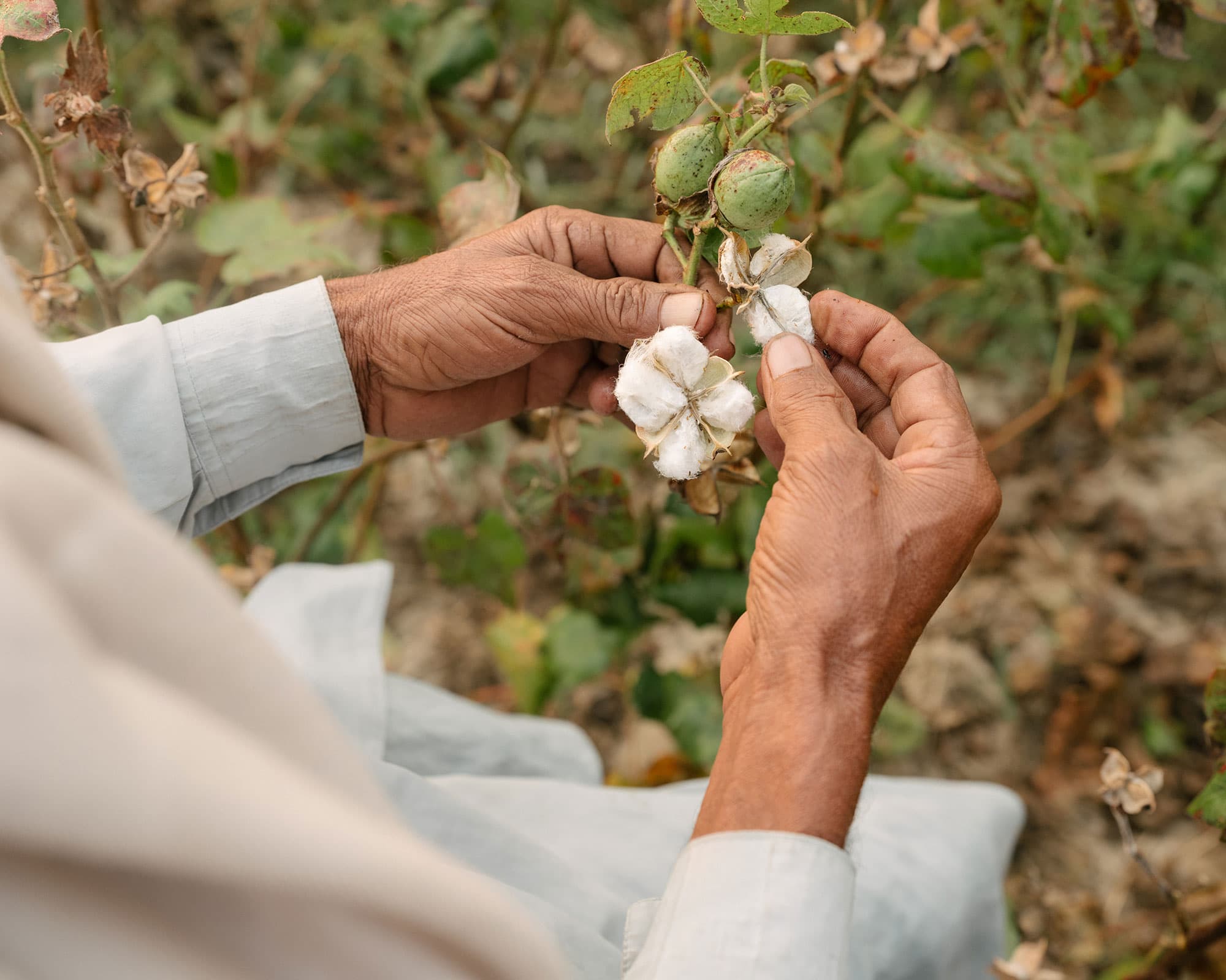
The partnership is working to advancing responsible production practices** within key agricultural and forest landscapes and aquaculture systems.
Our work in
The partnership is working to address water-related impacts and support water security in parts of the IKEA supply chain and selected river basins.
*Responsible forest management refers to a set of measures and safeguards – applied in forests managed for wood or other forest products – that avoid deforestation and protect vulnerable forests from illegal logging, encroachment, and agricultural conversion. Tailored to forest type and local conditions, it safeguards high conservation values, biodiversity, regeneration, ecosystem services, soil, water, and climate resilience, while supporting the rights and livelihoods of Indigenous People and local communities, worker welfare, and smallholder interests — often benchmarked by credible third-party certification (e.g. FSC). These ecological, social, and economic functions must be sustained at local, national, and global scales without harming other ecosystems, current or future generations.(IKEA approach to wood sourcing)
**Responsible production practices refer to measures and safeguards applied in agriculture that reduce negative environmental and social impacts while supporting productive and resilient food systems. Tailored to local ecosystems, commodities, and production systems, responsible production practices can support to protect biodiversity and high conservation values, avoid conversion of natural ecosystems, maintain soil and water health, reduce pollution and greenhouse gas emissions, and promote more efficient use of natural resources and inputs. They also respect human rights, the rights and livelihoods of Indigenous Peoples and local communities, and the interests of small-scale producers. Where relevant, responsible practices can be benchmarked against credible standards and third-party certification, and should contribute to maintaining or restoring ecosystem functions over the long-term.
Dive into the latest news, stories, and happenings within the WWF and IKEA partnership

