Country
Pakistan
WWF and IKEA: 20 years of Cotton in Pakistan

By Asad Imran, Director Food & Agriculture, WWF-Pakistan
The partnership between WWF and IKEA on responsible cotton has been a pioneering initiative with the focus on driving transformation in the global cotton industry. This collaboration has focused on reducing the environmental and social impacts of conventional cotton farming, ultimately leading to the establishment of the Better Cotton Initiative (BCI) and the adoption of sustainable cotton practices at scale. Over the years, the partnership has expanded its impact, promoting water stewardship, biodiversity conservation, and regenerative agriculture.
The Beginning (2002–2005): Addressing a Global Challenge
In the early 2000s, conventional cotton farming was associated with severe environmental degradation, excessive water consumption, pesticide use, and poor labor conditions. Recognizing the need for a sustainable alternative, WWF and IKEA initiated pilot projects in India and Pakistan in 2002. These projects aimed to introduce environmentally friendly farming techniques that would reduce water and chemical use while improving farmer livelihoods. The pilot projects demonstrated promising results, showcasing how farmers could adopt better agricultural practices without compromising yields or profitability. This laid the foundation for the next phase of the partnership.
2005: The Birth of the Better Cotton Initiative (BCI)
In 2005, the cotton programme was officially established within the partnership. In the same year, WWF and IKEA, along with other stakeholders, established the Better Cotton Initiative (BCI) now known as Better Cotton to promote responsible cotton production on a global scale. BCI set standards for reducing pesticide and water use while improving social and economic conditions for farmers.
2005–2015: Scaling Up Sustainable Cotton
During this period, BCI gained momentum, and IKEA integrated responsible cotton sourcing into its global supply chain and by 2013, over 300,000 farmers were trained in responsible cotton production under BCI. Since 2015, the cotton used at IKEA comes from virgin cotton certified by approved schemes*. This commitment influenced other brands to follow suit, which contributed to the broader industry’s adoption of BCI standards.
2015–2020: Expanding the Impact
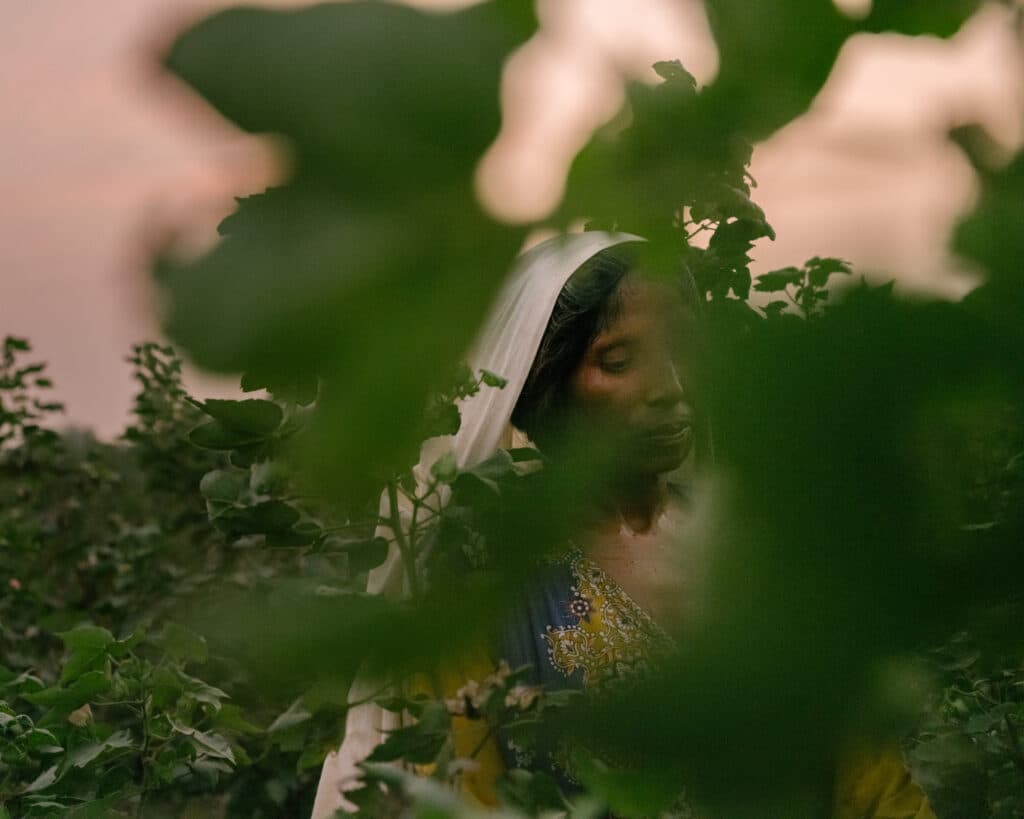
By 2015, IKEA was sourcing all its cotton from more sustainable sources; BCI-certified, organic, recycled and others, making it one of the first global brands to achieve this milestone. During this period, the WWF and IKEA partnership expanded its scope to include and protect ecosystems in cotton-growing regions of Pakistan and focused on expanding its reach and deepening its impact through thematic projects on water conservation and water use efficiency, climate smart agriculture, agroforestry and cotton value chain development. These projects also had strong components on improving livelihood of rural women through imparting skills for alternate source of income.
2020–Present: Climate Smart /Regenerative Agriculture
WWF and IKEA partnership has made significant strides in promoting Climate Smart Agriculture to help improve the lives of rural cotton producing communities in Pakistan. Through dedicated efforts, over 100,000 farming families have been equipped with knowledge and skills to embrace climate-smart agricultural practices. Furthermore, partnership’s commitment to gender equality and empowerment has resulted in providing training opportunities to 10,000 women workers, ensuring their active participation in the agricultural sector. Additionally, a milestone was achieved for environmental restoration and conservation through planting ‘one million trees’ in cotton landscapes, enhancing biodiversity and contributing to the overall well-being of the ecosystems.
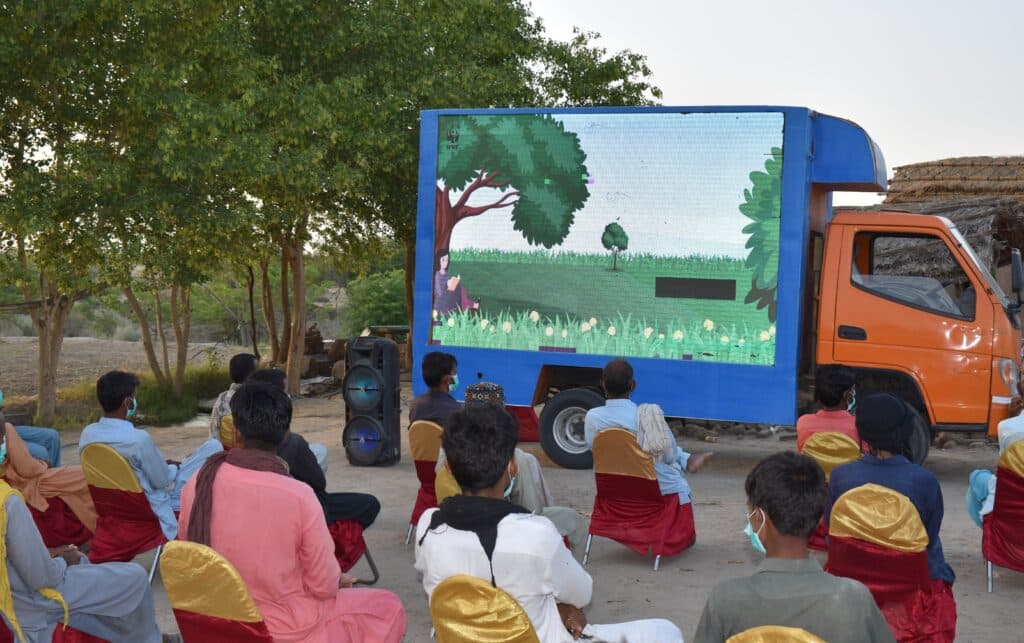
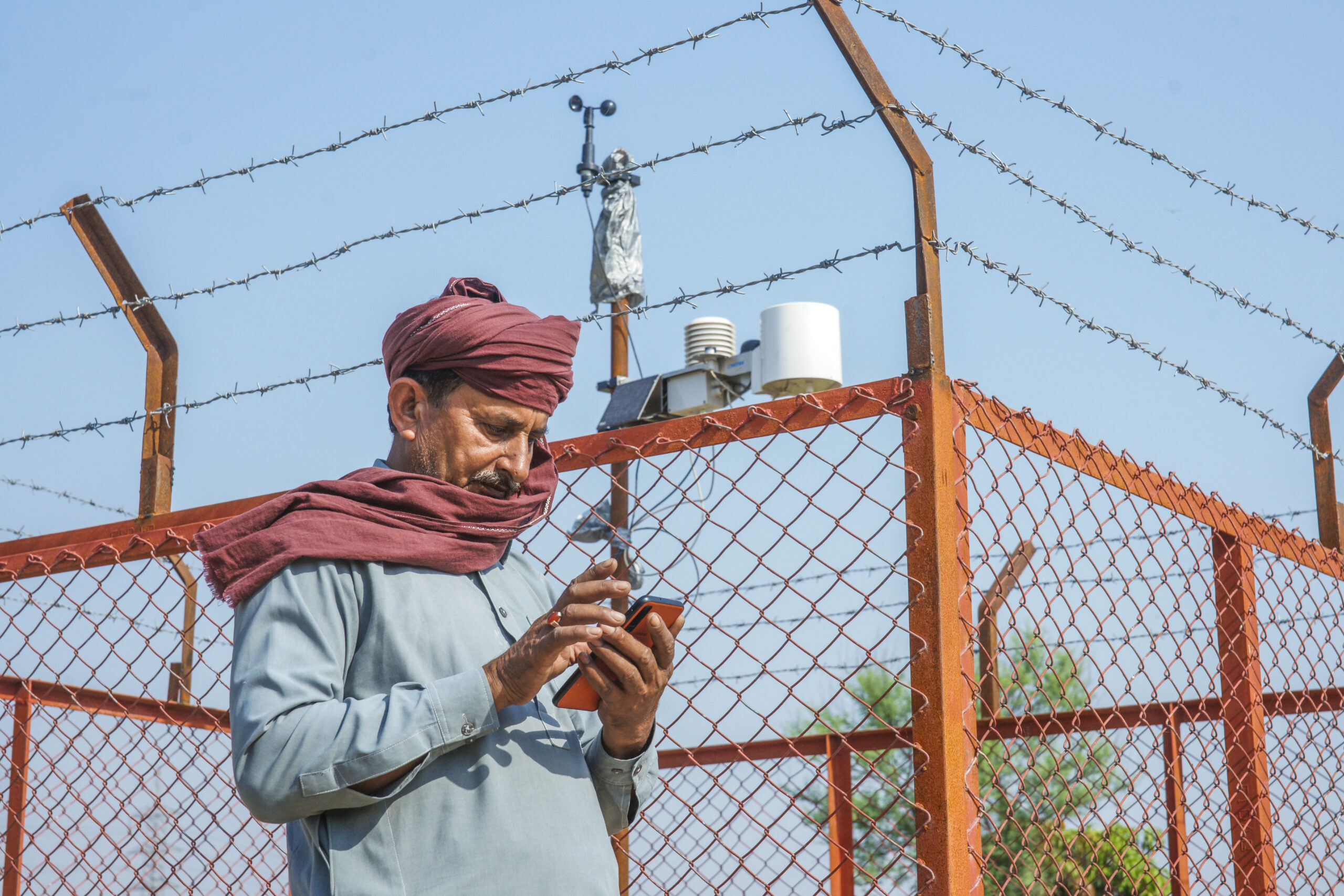
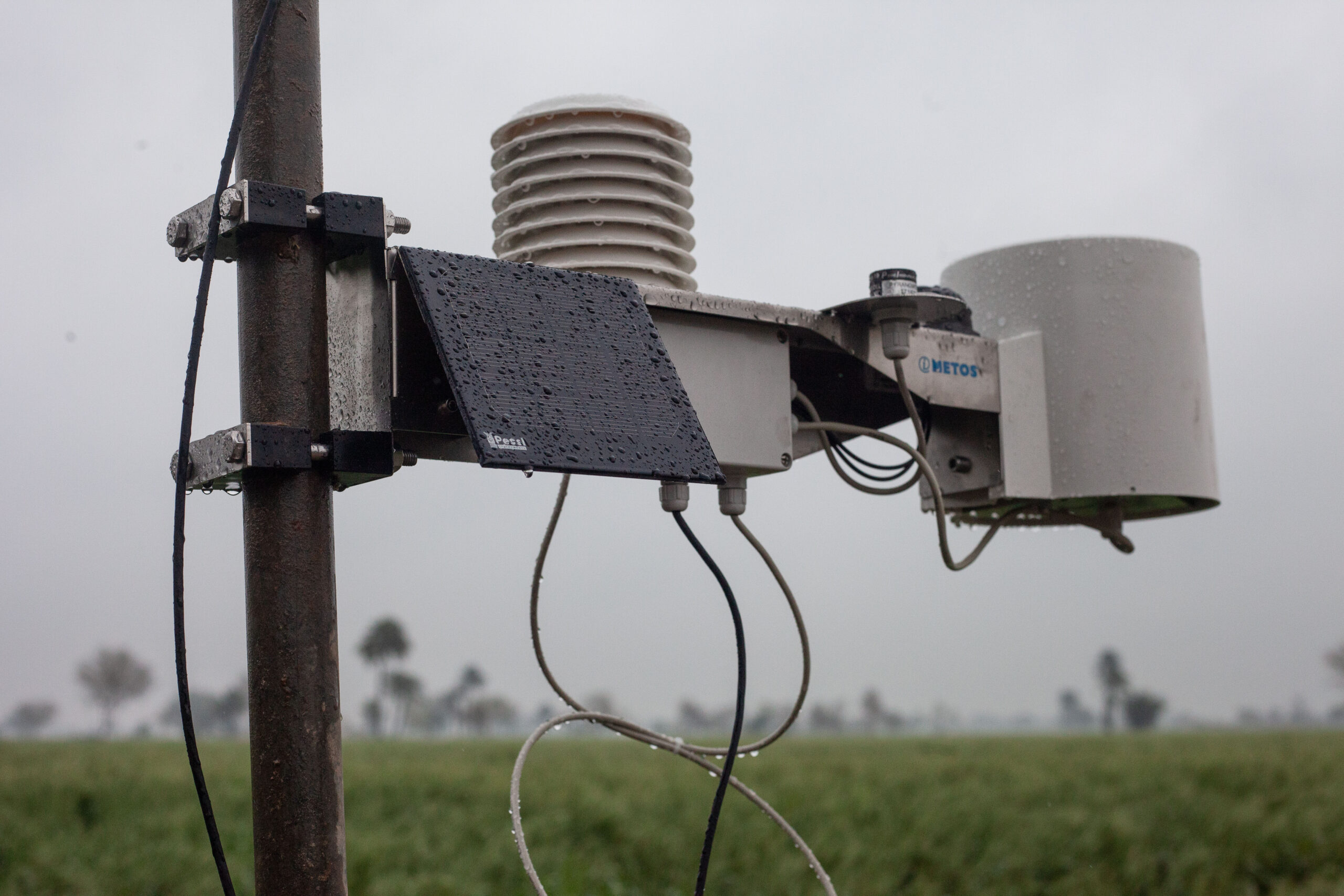
2020 is also when the partnership introduced, surface mount devices, mobile training units equipped with digital resources such as videos demonstrating the use of advanced farm machinery tools, real time data from localized weather stations, and interactive tutorials on water conservation, bringing on-hands learning to farmers on -site. Through the adoption of these practices during the cotton cropping seasons between 2020 and 2024, farmers achieved a remarkable 23% reduction in greenhouse gas emissions**, significantly contributing to a lower carbon footprint in cotton farming. From a total of 80,000 farmers, over 20,000 farming families have been trained through these trainings conducted through mobile training units and the remaining are trained through regular training sessions conducted by the field staff.
As the global sustainability landscape evolved, WWF and IKEA began focusing on regenerative agriculture, to actively restore soil health, improve biodiversity, and reduce carbon footprints.
The key elements of this new approach include:
- Reducing environmental impact further: Moving towards organic and regenerative farming methods that enrich the soil.
- Enhancing supply chain transparency: Ensuring ethical sourcing and traceability in cotton production.
- Climate action: Addressing the climate impact of cotton farming by promoting low-carbon agricultural techniques.
Key Achievements of the WWF and IKEA Partnership over the past two decades:
- co-founding and expanding the Better Cotton Initiative (BCI) – now the world’s largest sustainability initiative for cotton.
- Helping train over 400, 000 farmers in responsible cotton farming across India and Pakistan
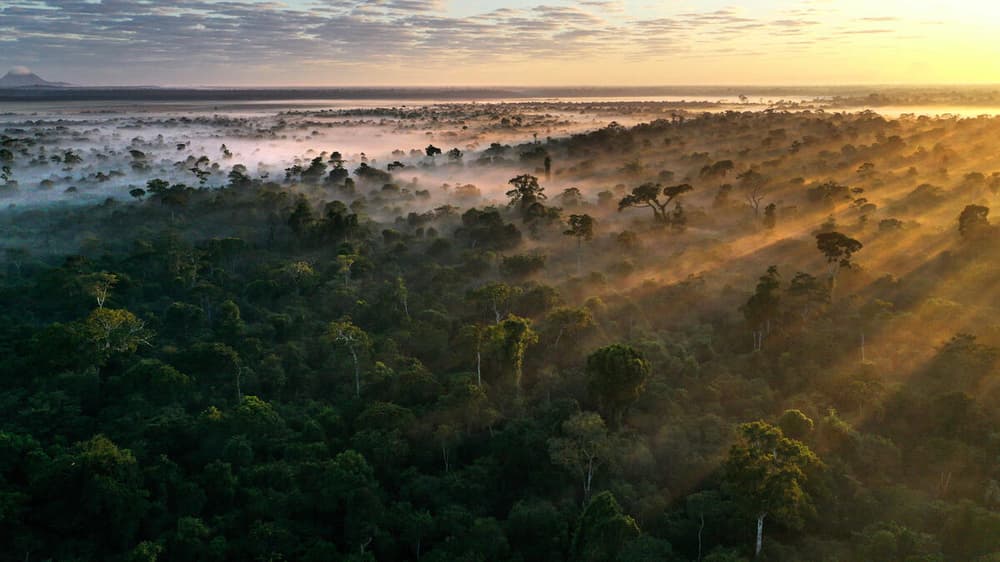
- Planting more than 1 million trees in cotton landscapes of Pakistan between 2020- 2025, enhancing biodiversity and contributing to the overall well-being of the ecosystems.
- Since 2015, the cotton used at IKEA comes from virgin cotton certified by approved approved schemes*
- Reducing water and pesticide use, benefiting both the environment and farmers’ health.
- Promoting biodiversity and nature-positive farming as part of the shift towards regenerative agriculture.
- Between 2020 and 2024, farmers achieved a remarkable 23% reduction in greenhouse gas emissions*, significantly contributing to a lower carbon footprint in cotton farming .
The WWF and IKEA partnership on responsible cotton is a model for how corporations and environmental organizations can collaborate for global impact. What started as a small pilot project in 2002 has evolved into a transformative force in the textile industry, proving that sustainability and business success can go hand in hand. As the partnership moves forward, its focus on regenerative agriculture and climate resilience will set new benchmarks for sustainable cotton production worldwide.
*Includes the following external schemes for certified cotton: Better Cotton (as defined by BC, including their equivalence in various geographies), cotton from farmers working towards the BC standard, Cotton Made in Africa (CMiA) and Organic Cotton.
** GHG reduction emissions calculated via Cool Farm Tool (CFT) inputting farm-specific data for crops and livestock