21
Countries with projects.
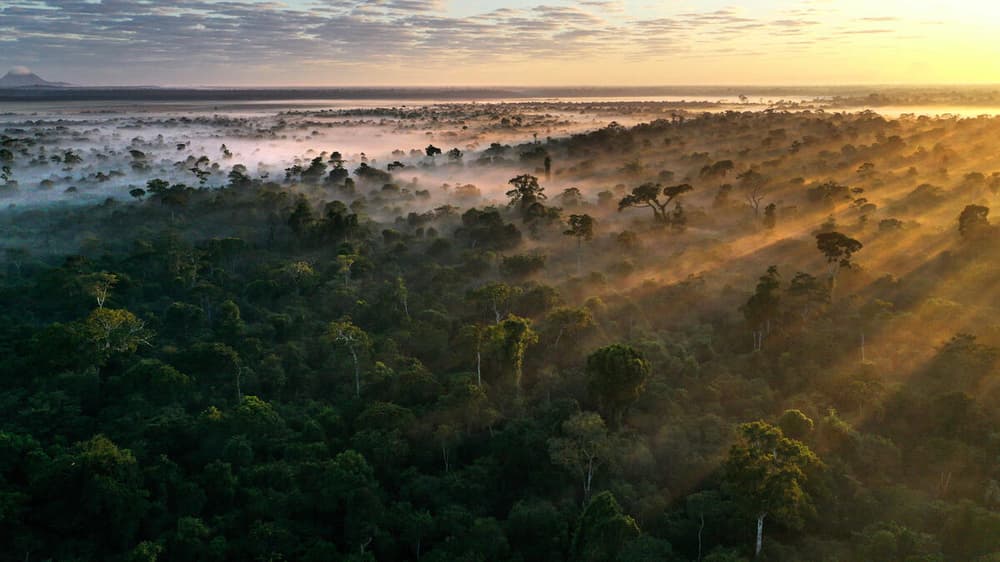
To help tackle global deforestation and degradation, WWF and IKEA are committed to advancing responsible forest management1 practices– by supporting efforts to improve how forests are managed, valued, protected and restored, even beyond IKEA’s own supply chain.
Forests – and the wildlife and people that depend on them – have been at the heart of the WWF and IKEA partnership since it began in 2002.
Together, the partnership has supported forest conservation efforts in 21 countries, improved sourcing practices and transparency, and strengthened supply-chain resilience for forest-based materials.
Forest landscapes & stewardship
The WWF and IKEA partnership has contributed to efforts to conserve biodiversity including threatened species in forest landscapes while supporting forest stewardship and the livelihoods of Indigenous Peoples and local communities, for example:
The partnership has also worked to strengthen forest policy and governance at national and subnational levels to support improved forest management and efforts to reduce illegal logging, for example:
Seeding impact and innovation
WWF and IKEA are also supporting the adoption and testing of best practices to incentivize responsible forest management, biodiversity conservation and more equitable forest governance. This work includes strengthening Forest Stewardship Council (FSC) standards, piloting approaches to empower communities and improve governance, and developing new tools and guides. Through WWF’s Forests Forward programme, IKEA’s experience is used to encourage wider engagement from private-sector actors.
Responsible sourcing2 and transparency
The IKEA and WWF partnership has supported IKEA’s goal of securing only FSC-certified or recycled wood sourcing. Starting from a 2010 baseline of 10%, since 2020 IKEA has been above 95% and on 96,5% in FY25 (Updated annual figures on the IKEA wood supply map.) In 2023, IKEA took a bold step in transparency by releasing a public global wood supply map – among the first publicly kinds in the sector – which identifies where its wood is sourced and which tree species are used. The partnership has also helped to increase the global availability of responsibly harvested wood and other non-timber forest products.
_______________________________________________________________________________
1Responsible forest management: refers to a set of measures and safeguards – applied in forests managed for wood or other forest products – that avoid deforestation and protect vulnerable forests from illegal logging, encroachment, and agricultural conversion. Tailored to forest type and local conditions, it safeguards high conservation values, biodiversity, regeneration, ecosystem services, soil, water, and climate resilience, while supporting the rights and livelihoods of Indigenous People and local communities, worker welfare, and smallholder interests – often benchmarked by credible third-party certification (e.g. FSC). These ecological, social, and economic functions must be sustained at local, national, and global scales without harming other ecosystems, current or future generations.
2 Responsible sourcing: the practical implementation of policies, systems and procedures such as due diligence, traceability and monitoring, in order to verify the conformity of any raw materials or products purchased, used and traded, with environmental and human rights requirements. Within the forest industry, the aim of responsible sourcing is to ensure that all products originate from responsible forest management. Requirements include the exclusion from value chains of all illegally harvested and/or traded wood, exclusion of wood harvested in violation of traditional and civil rights, exclusion of wood harvested in forests in which high conservation values (HCVs) are threatened by management activities and the exclusion wood harvested in forests being converted to plantations or non-forest use.
From 2025 to 2030, the WWF and IKEA partnership continues this legacy of wide-ranging work, including a focus on forest landscapes in Brazil, Bulgaria, China, Colombia, Indonesia, Romania, Slovakia, Thailand, Ukraine and Viet Nam. As well as bolstering work on responsible forest management and supporting livelihoods, this phase of the partnership also includes an increased emphasis on forest landscape restoration in Brazil, Indonesia, Thailand and Viet Nam.
Many challenges remain, but together, WWF and IKEA are demonstrating approaches intended to support forest stewardship alongside livelihoods and business resilience.
We support the protection and restoration of forest landscapes, conserving vital forest ecosystems. Through forest landscape restoration, we work to support biodiversity conservation, ecosystem services and responsible production practices free from deforestation and conversion.
We promote responsible forest management by encouraging practices that balance production, biodiversity conservation and livelihoods. This supports knowledge sharing and wider uptake of responsible practices.
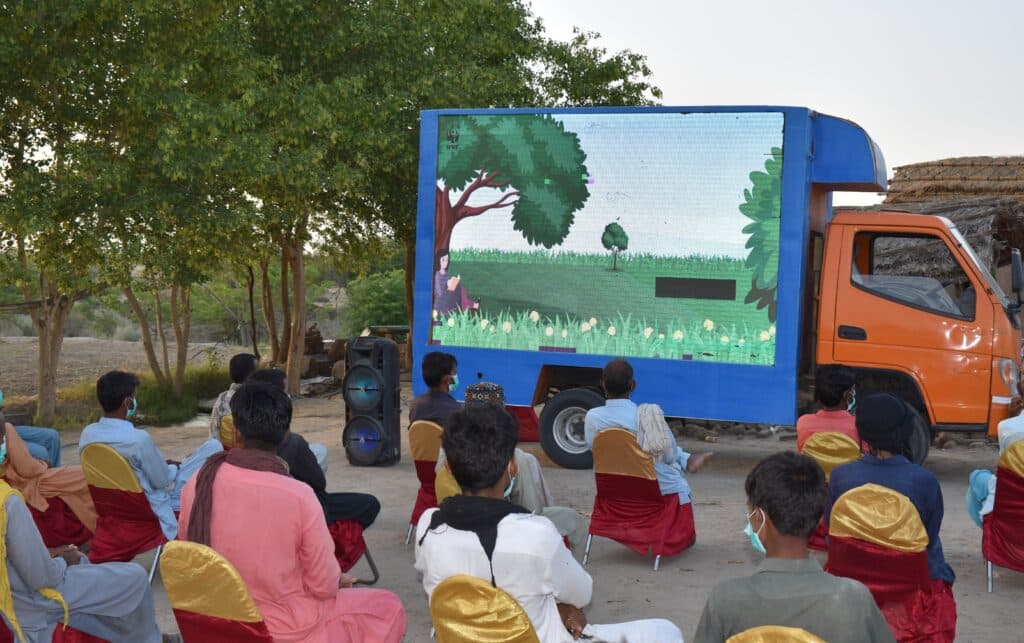
We collaborate with local communities and Indigenous Peoples to strengthen supply chain transparency, supporting opportunities for fair livelihoods and promoting forest governance.
Countries with projects.
Hectares of forest formally protected in Romania, Slovakia, Bulgaria and Ukraine.
Hectares of forest supported by responsible management practices in Laos, Cambodia, Thailand and Viet Nam
Dive into more facts and material. Watch films, read articles, reports and more
46 projects found
© James Morgan / WWF Harvesting FSC-certified fir, Mara Forest Management Unit, Gutin Forest District . Maramures, Romania. WWF and IKEA Partnership Photo Stories with James Morgan of old growth and FSC working forest in Maramures, Romania.
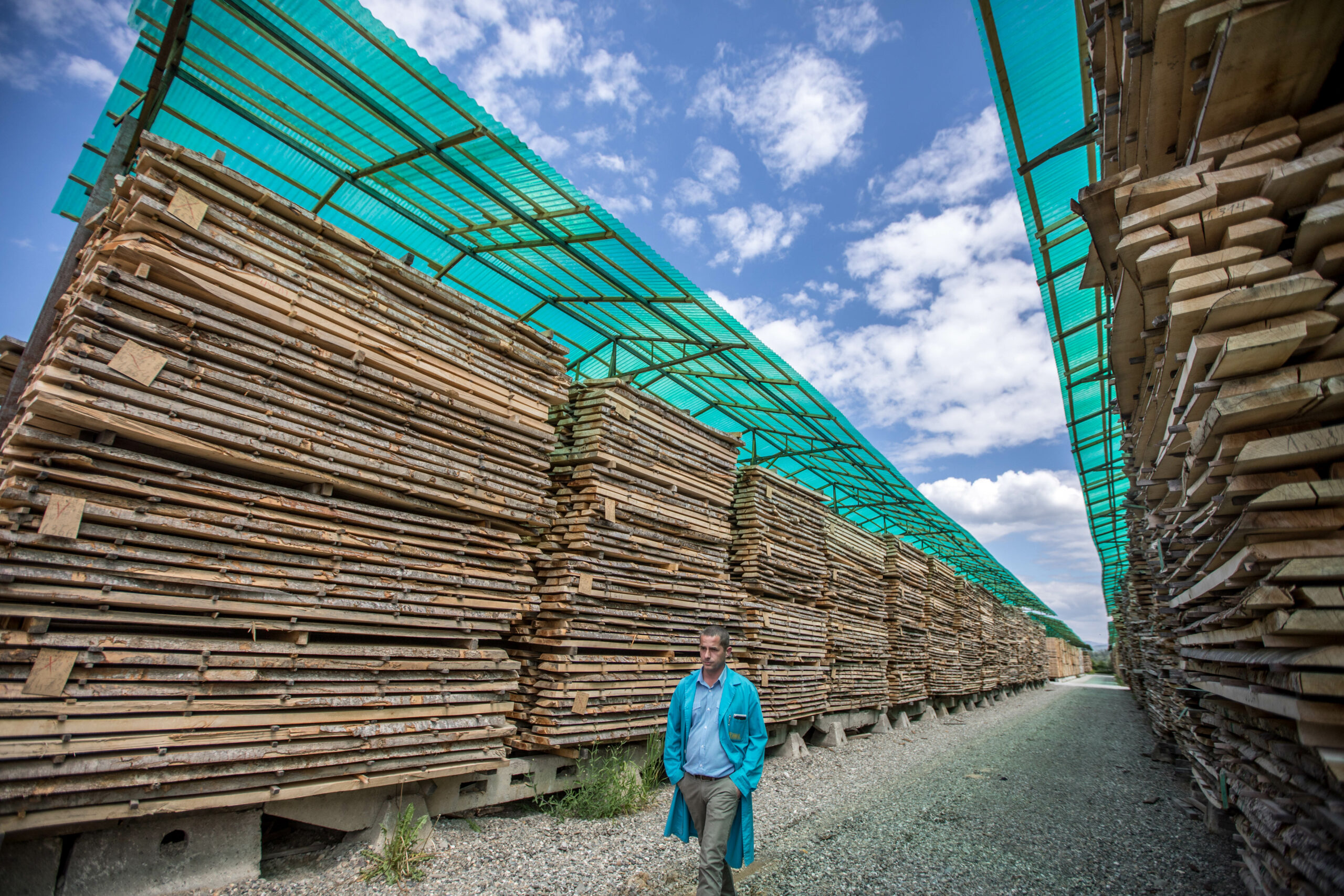
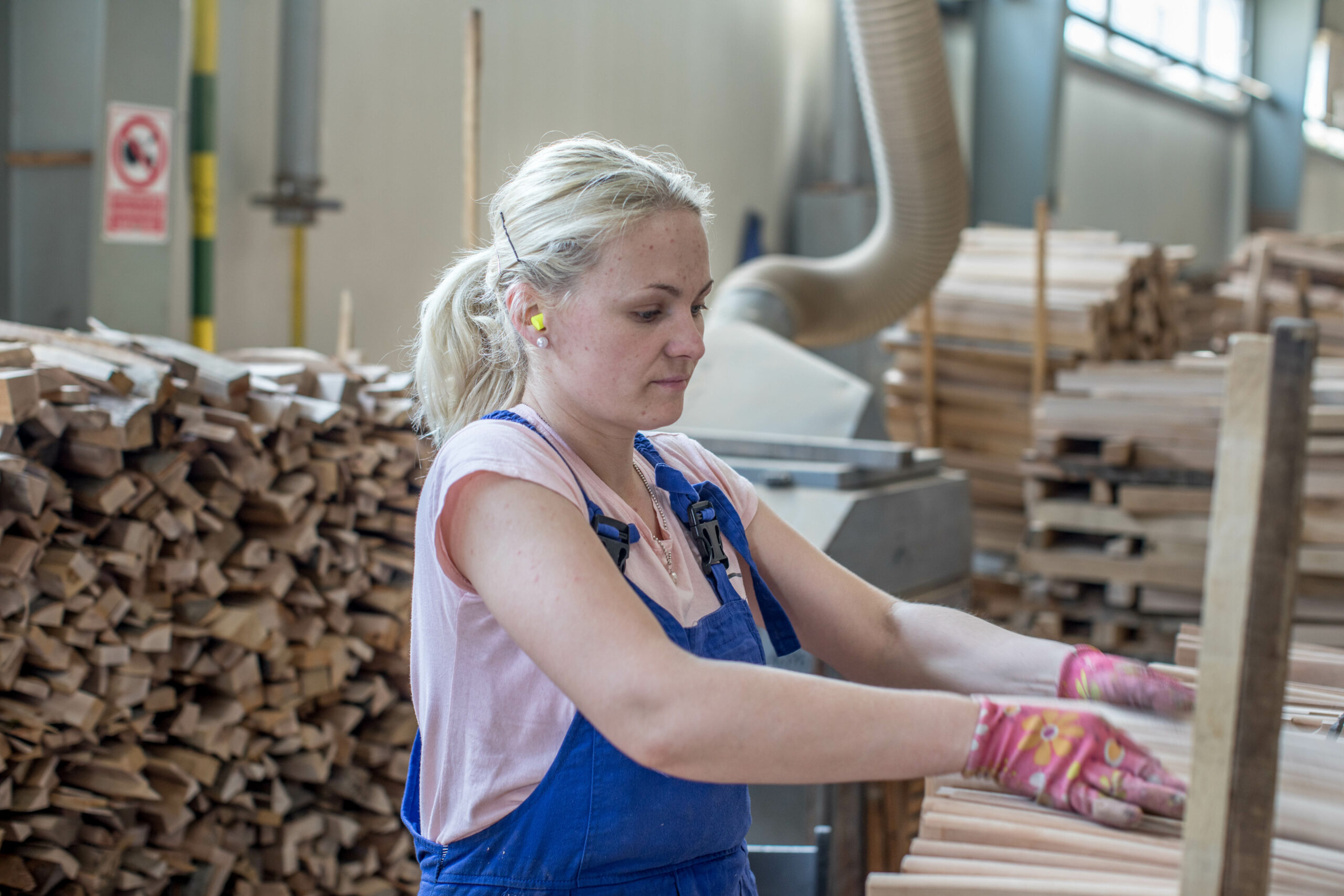
© James Morgan / WWF The Plimob furniture factory in Sarasau makes millions of chairs for IKEA every year. Sighetu Marmatiei, Maramures, Romania. WWF and IKEA Partnership Photo Stories with James Morgan of old growth and FSC working forest in Maramures, Romania.
© James Morgan / WWF The Plimob furniture factory in Sarasau makes millions of chairs for IKEA every year. Sighetu Marmatiei, Maramures, Romania. WWF and IKEA Partnership Photo Stories with James Morgan of old growth and FSC working forest in Maramures, Romania.
© James Morgan / WWF The Plimob furniture factory in Sarasau makes millions of chairs for IKEA every year. Sighetu Marmatiei, Maramures, Romania. WWF and IKEA Partnership Photo Stories with James Morgan of old growth and FSC working forest in Maramures, Romania.
© James Morgan / WWF The Plimob furniture factory in Sarasau makes millions of chairs for IKEA every year. Sighetu Marmatiei, Maramures, Romania. WWF and IKEA Partnership Photo Stories with James Morgan of old growth and FSC working forest in Maramures, Romania.
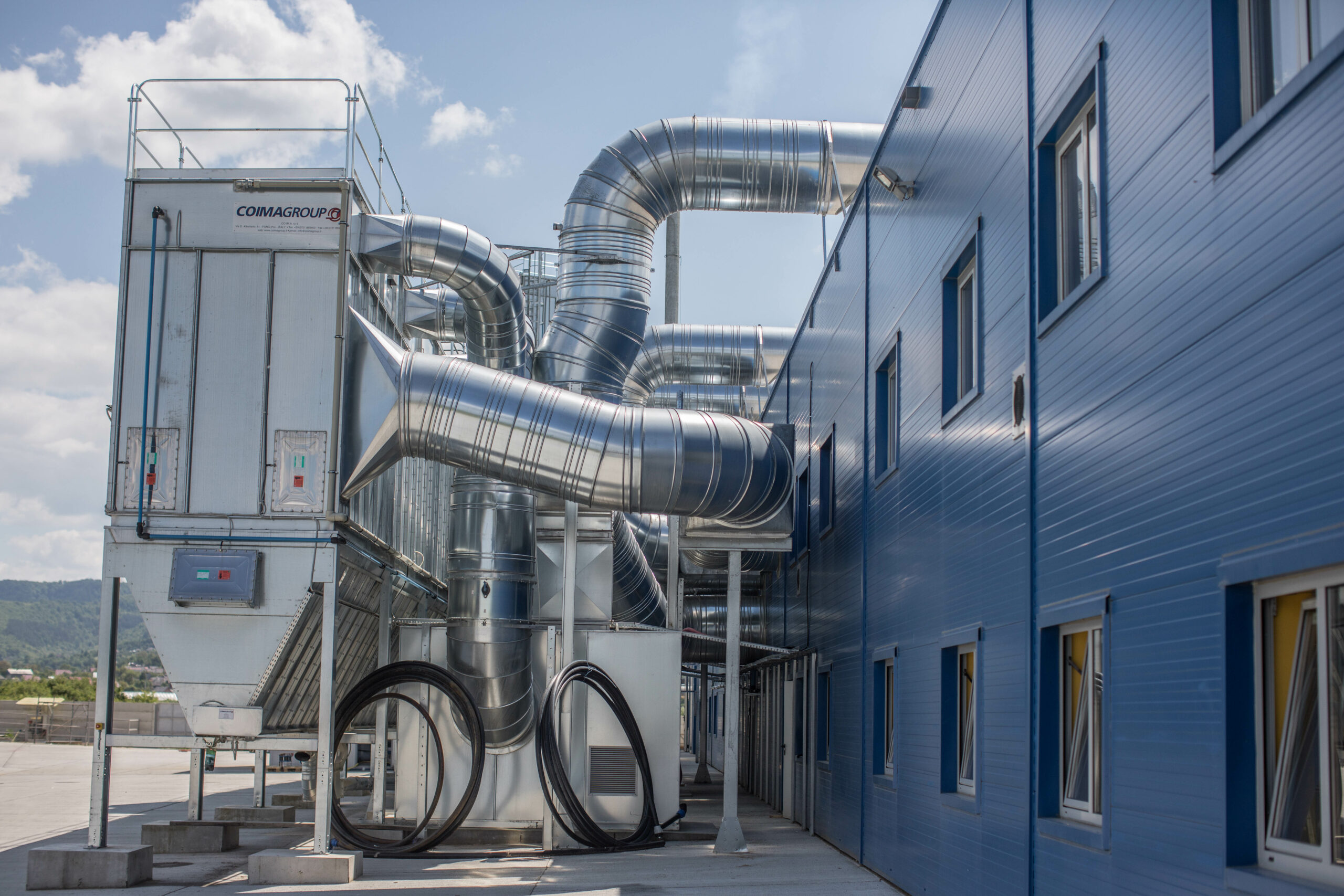
© James Morgan / WWF The exhaust extraction system for the Plimob furniture factory in Sarasau which makes millions of chairs for IKEA every year. Sighetu Marmatiei, Maramures, Romania. WWF and IKEA Partnership Photo Stories with James Morgan of old growth and FSC working forest in Maramures, Romania.