2000000
Million trees planted across cotton landscapes in India and Pakistan between 2020-2025
WWF and IKEA are working together to improve production practices within agriculture
Agriculture is the planet’s largest land‑use system, fundamental to food security and central to the livelihoods of millions, yet it is also a major driver of biodiversity loss, climate change, and ecosystem degradation. Agricultural landscapes have an important role to play in contributing to ecosystem restoration. When designed and managed responsibly, and with regenerative approaches, these landscapes can support habitat restoration, watershed protection, soil health, and water quality and more.
Therefore, WWF and IKEA have agreed to contribute to advancing improved production practices within key agricultural and forest landscapes* and aquaculture systems. These, in turn, aim to support ecosystem and landscape restoration efforts, while supporting opportunities for improved livelihoods of local and, where relevant, Indigenous communities that depend on them. We are committed to scaling further regenerative practices, while also exploring the potential of future crops to support long‑term resilience.
Together we explore strategic topics related to future crops and agriculture practices that help reduce agricultural impacts and support approaches aligned with the principles of the planetary boundaries framework. This work is also exploring preconditions for Deforestation and Conversion Free (DCF) Supply Chains to support agricultural production systems designed to avoid deforestation and conversion of natural ecosystems, thereby also supporting traceable and responsible sourcing.
Our agricultural work builds on our previous work within cotton which has been ongoing since 2005. Read more for more information on our work on cotton.
* Brazil, India, and Pakistan
We work to support practices intended to promote soil health, biodiversity, and water conservation through regenerative farming models that support positive outcomes for people and nature.
We are working with smallholding farmers, helping to build their resilience against climate change related challenges.
Our approach focuses on improving traceability, transparency, and sourcing practices aligned with defined environmental and traceability requirements within the IKEA salmon aquaculture feed supply chain. This with the aim of supporting efforts to reduce pressure on marine ecosystems and biodiversity.
Million trees planted across cotton landscapes in India and Pakistan between 2020-2025
Farming families trained in regenerative agriculture practices since 2002
Reduction in greenhouse gas emissions per cotton unit in cotton farming between 2020-2025
Dive into more facts and material. Watch films, read articles, reports and more
46 projects found
Gandam Venkatavva in her intercropped cotton fields in Sundaragiri © WWF-India
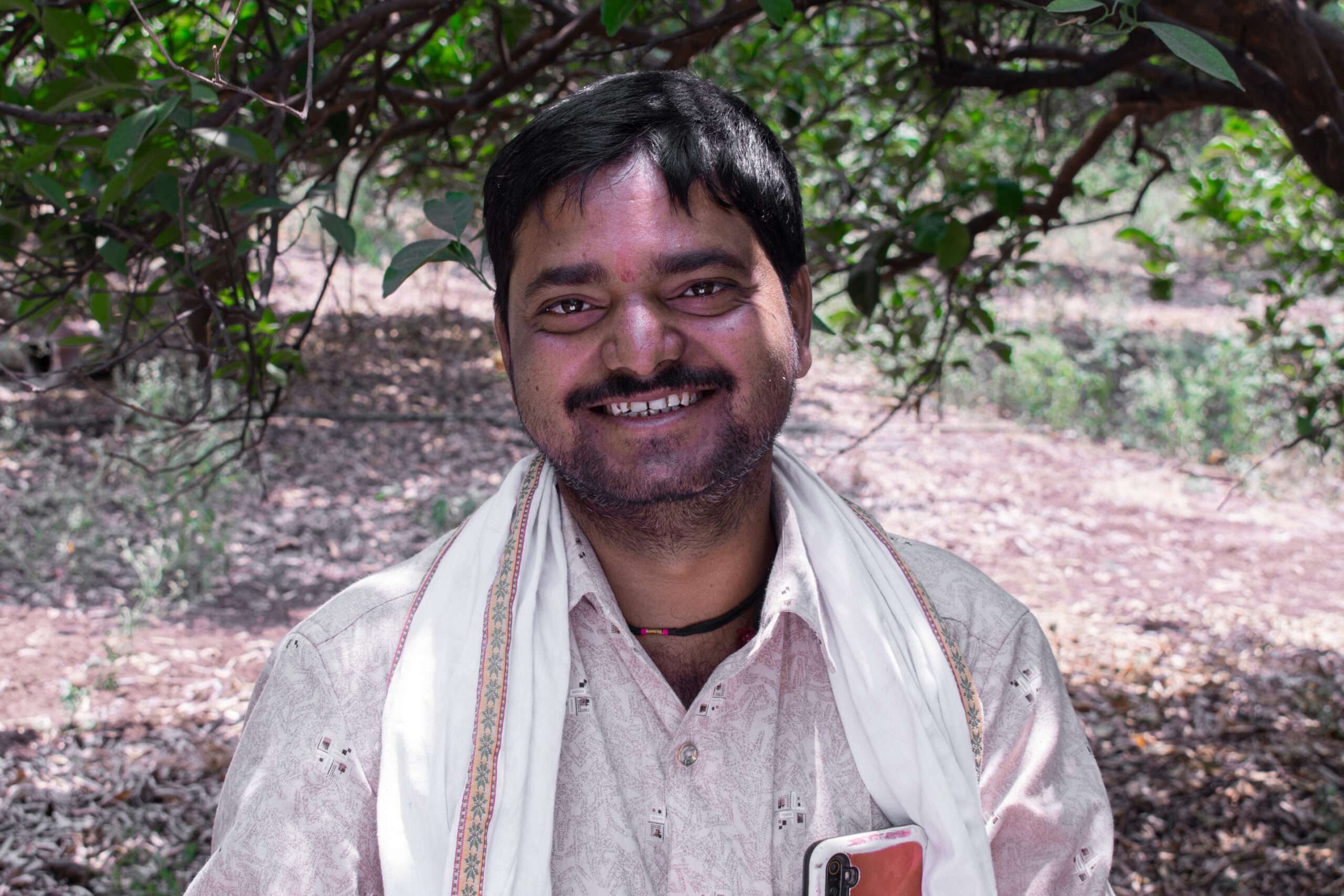
Aannya Khosla/WWF- India- Pandurang is a science graduate and a progressive farmer.
© Aannya Khosla/WWF-India: Jalna is dotted with sprawling cotton fields. Seen here are cotton balls in full bloom in the district.
© Aannya Khosla/WWF-India – He stresses spending more time with his family these days after using the app.
© Aannya Khosla/WWF-India: Progressive farmers like Pandurang from Jalna district belonging to the western Indian state of Maharashtra are forging a new path for ‘smart cotton farming’.
A WWF-Pakistan field representative and a farmer collaborate inthe field, examining the pheromone traps and recording the data. © WWF-Pakistan
© Jawad Shareef/WWF-Pakistan – Smart farming aims to support farming households through improved agricultural practices.
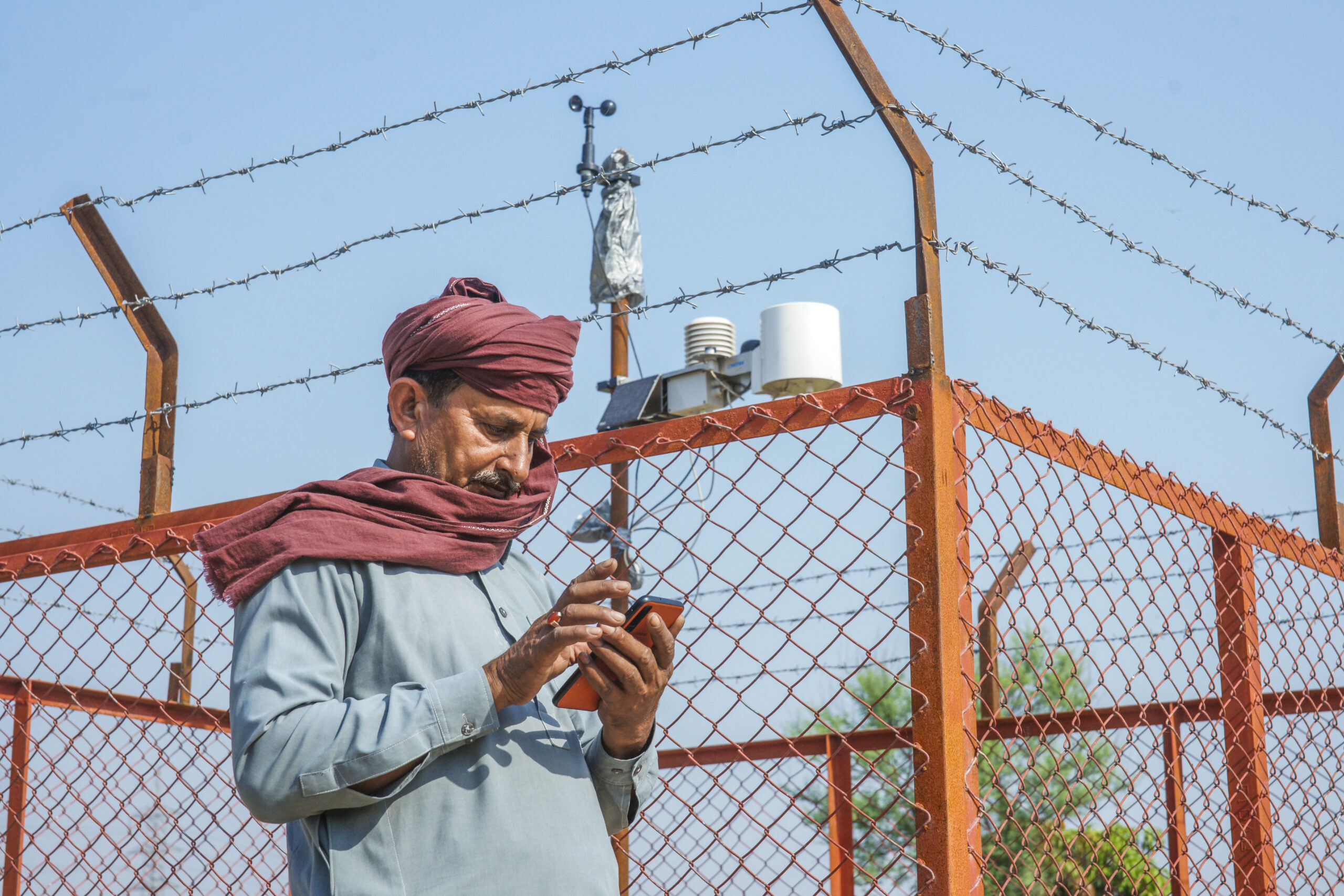
© Asad Irshad/WWF-Pakistan – Weather forecasting supports farmers in decision making
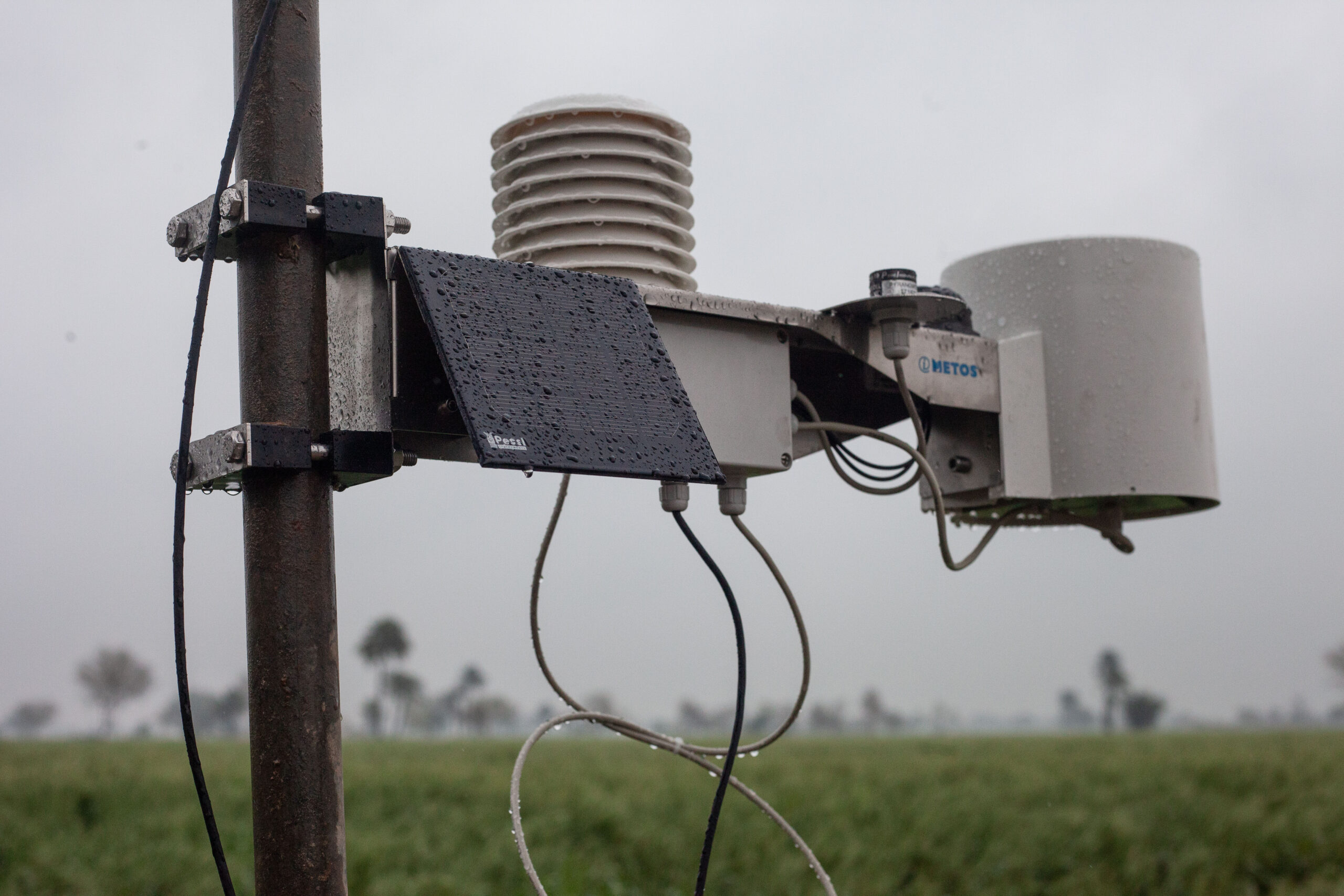
© Nyal Mueenuddin/WWF-Pakistan – Technology facilitating smart farming
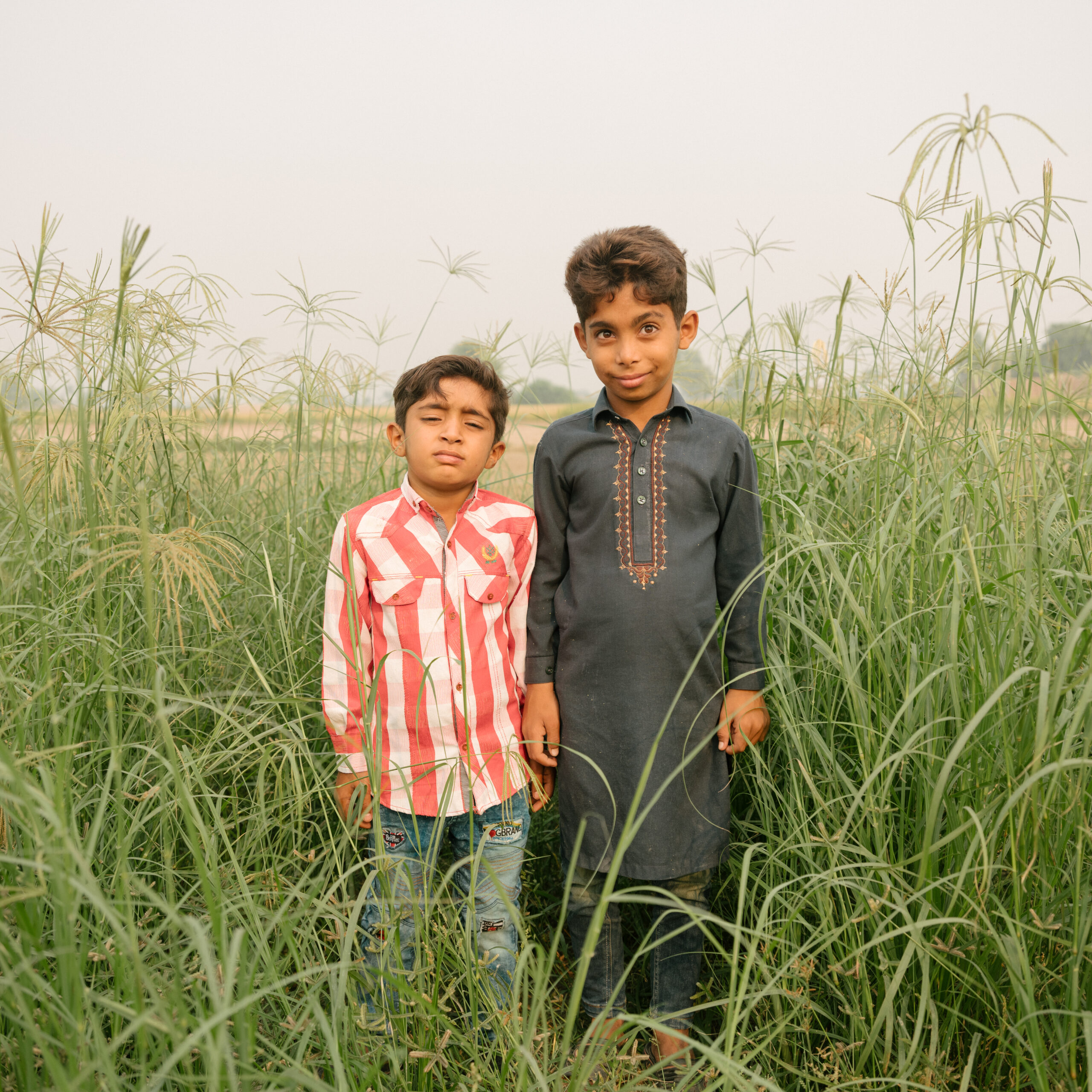
© Matthieu Paley Sarfaraz two sons. The daily life of Mr. Sarfaraz Bati and his family. Mr Sarfaraz is a 45 years old farmer and he lives in a small vil-lage of south Punjab. He has a small piece of land. He also rear the animals on his small farm. He has a limited resources […]
© Matthieu Paley The daily life of Mr. Sarfaraz Bati and his family. Mr Sarfaraz is a 45 years old farmer and he lives in a small vil-lage of south Punjab. He has a small piece of land. He also rear the animals on his small farm. He has a limited resources of agriculture inputs […]
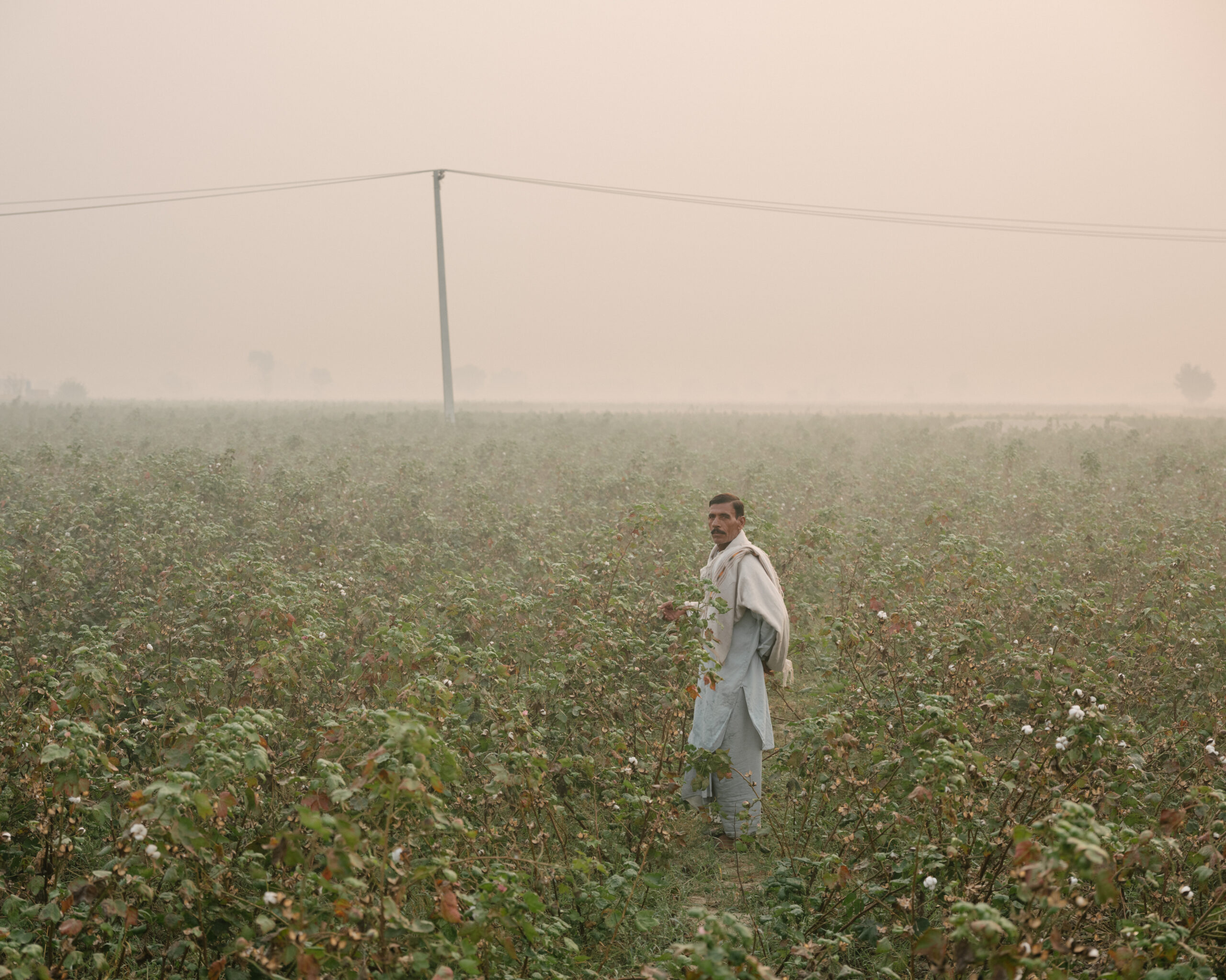
© Matthieu Paley Visiting the cotton fields. The daily life of Mr. Sarfaraz Bati and his family. Mr Sarfaraz is a 45 years old farmer and he lives in a small vil-lage of south Punjab. He has a small piece of land. He also rear the animals on his small farm. He has a limited […]